MealCraft (Case Study)
Designing a Meal Planning Tool for Nutritionists
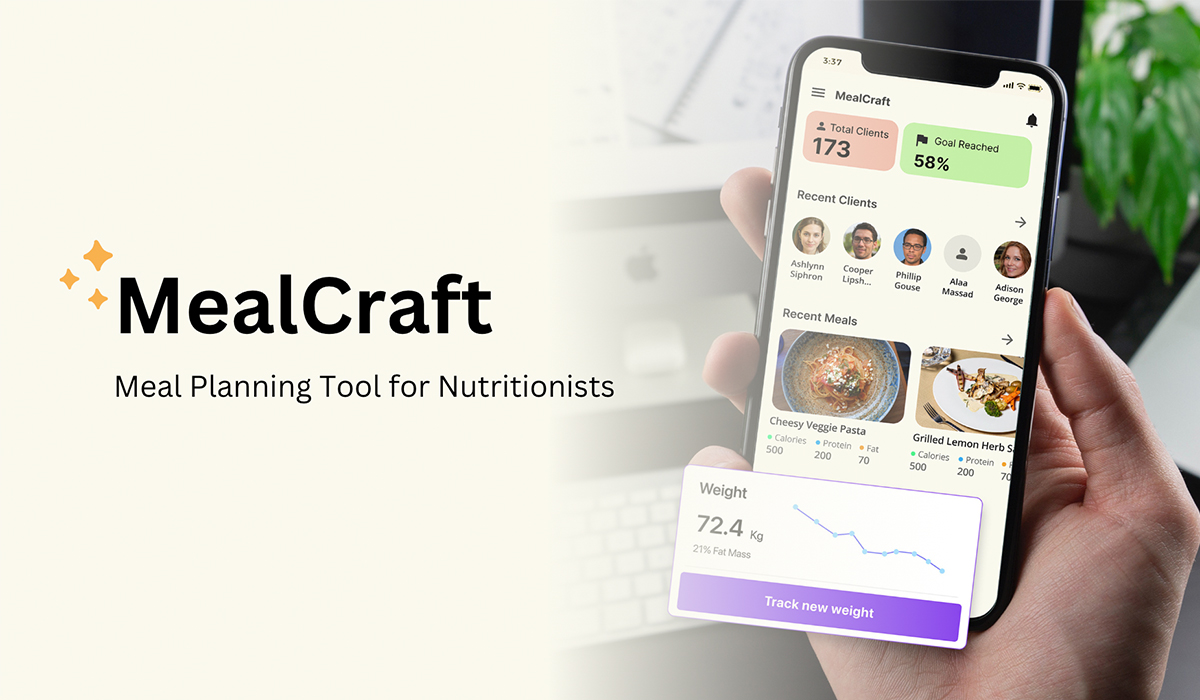
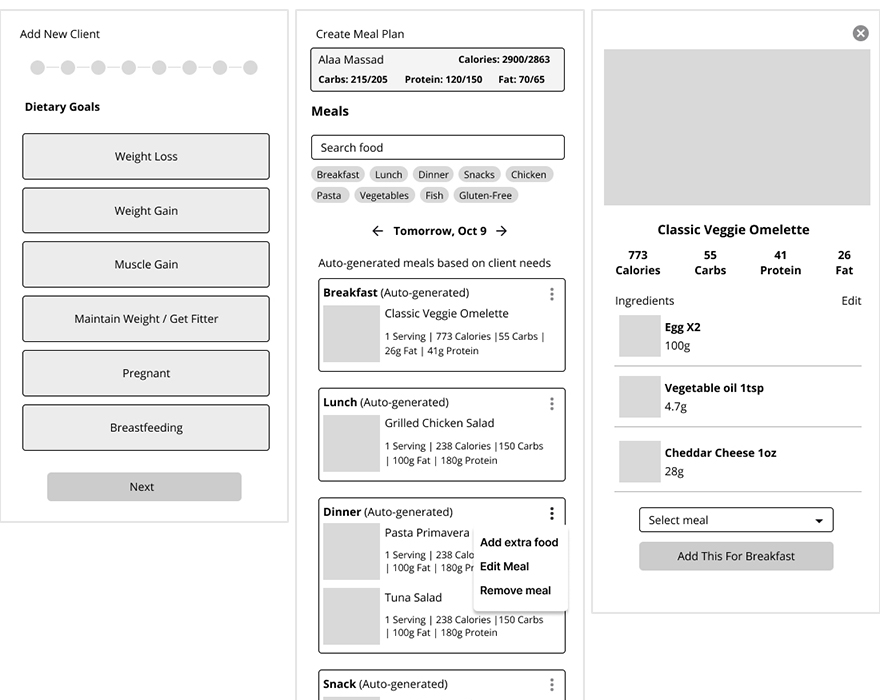
Designing a tool that can enable nutritionists to efficiently select meals from a database of meals, and adjust meal components based on their client’s health conditions or food preferences.
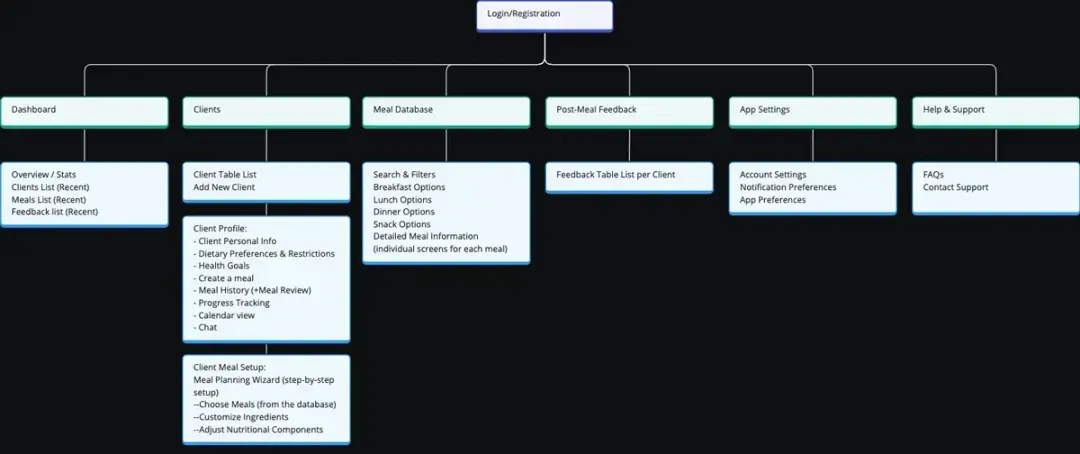
Nutritionists often manage multiple clients, each with unique dietary needs, food preferences, restrictions, and health goals. The tool should streamline the meal planning design process, allowing for personalization in terms of ingredient selection, macronutrients, and micronutrients.
Persona
1- Nutritionist in a Diet Center Needs: Efficient meal planning tools, quick access to nutritional information, personalized meal suggestions. Pain Points: Managing multiple clients' diverse needs, time constraints, ensuring clients adhere to dietary plans. Goals: Helping clients achieve health goals, providing personalized nutrition advice, improving clients' well-being. 2- Private Practice Sports Nutritionist Needs: Customized meal plans for athletes, detailed nutritional breakdown, tracking clients' progress. Pain Points: Balancing athletic performance with nutritional needs, constant adjustments due to clients' training variations. Goals: Enhancing athletes' performance, preventing injuries, promoting optimal nutrition for sports excellence.
Research
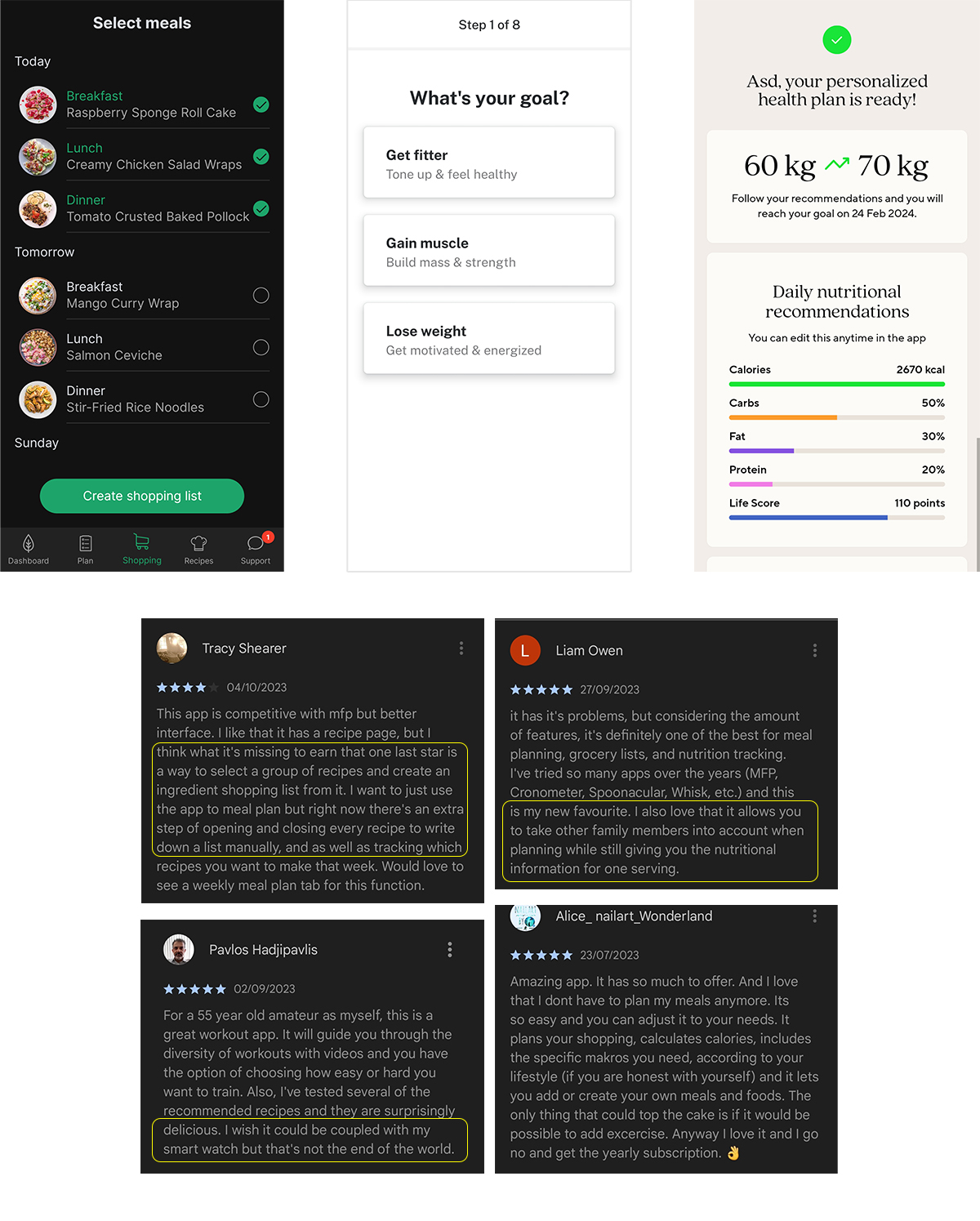
Given the constraints of limited time, resources, and lack of access to existing data, a viable research approach would be Competitive Analysis (Qualitative) as the primary research method. Identify Competitors: Using google search and google play store, I was able to search for a similar tools and filtering them based on users rating, functionality, and number of downloads. Analyzing the features, functionalities, and UI of these apps and Look for patterns and innovative solutions they have implemented. Also, paying attention to user reviews on app stores to understand what users appreciate and criticize about existing tools in order to Identify pain points and areas where competitors are excelling. Analyzing existing tools can help identify gaps in the market and potentially, the new design tool can address these gaps and provide a unique value proposition.
Userflow
Wireframes
More Projects